An international checkout without surprise costs is the single biggest lever most brands are not pulling before Black Friday. Shoppers do not abandon carts because a product is too expensive. They abandon because the number on the payment screen does not match the number they had already agreed to pay in their head.
That gap is measurable, it is predictable, and it gets worse every year the checkout stays the same. According to the Baymard Institute, 48 percent of cart abandonments happen because shipping fees, taxes, or other charges push the total higher than expected. This has been the leading cause of abandonment for years, which means most stores have simply learned to live with it instead of fixing it.
Why Checkout Abandonment Spikes During Peak Season
Checkout abandonment is a year round problem, but Black Friday multiplies it. Traffic surges, comparison shopping accelerates, and every shopper has five browser tabs open at once. A buyer who tolerates a small surprise fee in July will not tolerate the same surprise in November, when three other stores are one click away.
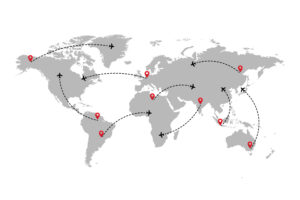
International orders make this worse, since customs duty, import tax, and cross border shipping fees rarely show up until the final screen. For a domestic buyer, the price gap might be a few dollars in shipping. For an international buyer, it can be an unexpected duty charge large enough to change the entire purchase decision. During peak season, that decision happens in seconds, not minutes.
What DDP Pricing Actually Solves
DDP pricing, or delivered duty paid, means the seller collects duty and tax at the moment of purchase and the buyer never sees a second bill. This is different from delivered duty unpaid, where the shipment arrives and the recipient is asked to pay before the carrier releases it.
The practical effect of DDP pricing is that the price shown at checkout is the final price, full stop. There is no customs invoice waiting at the door, no unexpected charge from the courier, and no reason for the customer to feel misled after the sale is already complete. For a Black Friday campaign, that predictability matters more than almost any other checkout feature, because a confused or frustrated customer during peak season rarely comes back to try again.
Landed Cost Transparency Changes Where the Customer Decides
Landed cost transparency means showing the full cost, product price plus shipping plus duty and tax, as early as the product page or cart, rather than revealing it for the first time at payment. This single change moves the moment of decision earlier in the funnel, to a point where the customer still has full context and has not yet built up frustration from a long checkout flow.
When a shopper sees the real total from the start, there is no late surprise to react to. They either accept the price and continue, or they leave immediately, before investing time in filling out payment details. That earlier decision point protects conversion rate on the final screen, which is exactly where most international checkout abandonment happens.
Preparing Your International Checkout Before the Campaign Goes Live
For a Brazilian brand exporting internationally, getting this right before Black Friday requires a few concrete steps.
First, calculate duty and tax exposure by destination market ahead of time, not during the campaign itself. Rules vary by country, and de minimis thresholds change often enough that a calculation from last quarter may already be outdated.
Second, set realistic delivery expectations at checkout. International shipments typically move on an eight to eighteen day timeline, depending on destination and customs clearance, and that window tends to stretch further once carrier volume peaks in November. Showing an honest delivery estimate at checkout does more for trust than promising a date the shipment cannot actually hit.
Third, keep export documentation accurate and consistent from the very first shipment of the season. A single inconsistency in export paperwork rarely causes a problem at low volume, but the same error compounds quickly once shipment volume rises for Black Friday, increasing the risk of holds and delays exactly when customers are watching their tracking page the closest.
If you want the full breakdown of every decision that needs to be closed before launch, our October checklist for international peak covers the operational side of peak readiness in more depth, from carrier booking windows to customs documentation.
The Cost of Waiting Until November to Fix It
Every week a brand delays reviewing its international checkout flow is a week closer to running the busiest sales period of the year with an unresolved abandonment problem. Black Friday shipping volume does not leave room for a mid campaign fix. Whatever the checkout shows on day one of the sale is what customers will experience through the entire peak window.
If your checkout still shows one price on the product page and a different, higher price at payment, that gap is exactly where international shoppers walk away. The fix does not require a full platform rebuild. It requires calculating landed cost correctly, displaying it early, and choosing a shipping model, DDP or otherwise, that matches the promise made at checkout.
This is exactly the kind of gap ShipSmart helps international brands close, calculating and displaying landed cost across markets so the price a customer sees at checkout is the price they actually pay, with no surprise duty bill after the sale.
If your team is still finalizing checkout logic for this year’s campaign, talk to our team before launch to review where the current flow might be leaking conversion on the last screen.